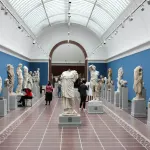


Step into the main hall of a great natural history museum and you are immediately struck by its scale. Soaring arches, ornate stonework and skylights pour light onto massive skeletons and specimens. These buildings were designed to inspire awe, and more than a century later, they still do.
“The Victorians believed that science deserved cathedrals,” says architectural historian Dr. Peter Langley. “These museums were built to make people feel that discovery was sacred.”
Architecture As Storytelling
Many of the most famous natural history museums, in cities like London, New York and Chicago, were built in the late 19th and early 20th centuries. Architects decorated walls and columns with carvings of plants and animals, turning the building itself into an exhibit.
Advertisement
“Every detail tells a story,” Langley explains. “Some museums placed living species on one side of the building and extinct ones on the other. The architecture taught visitors how to think about nature.”
The specimens themselves remain the main attraction. Towering dinosaur skeletons, giant whale models and dazzling mineral collections draw millions of visitors each year. Many museums have recently updated their displays with new scientific research, interactive screens and touchable specimens. “We want visitors to understand not just what these animals looked like, but how scientists study them,” Whitman explains. Behind the scenes, these museums house vast research collections used by scientists around the world. Some museums now offer behind-the-scenes tours, giving visitors a glimpse of the laboratories and storage rooms where much of the real work happens.
Modern Upgrades
Today, these historic buildings face new challenges. Museums are updating climate control, accessibility and interactive exhibits while preserving their original character. Several have recently completed restoration projects that cleaned decades of grime from stonework and restored original skylights.
Attendance remains strong, especially among families. Many museums now offer evening events, science talks and even overnight stays for children. “The buildings are old, but the curiosity they spark is timeless,” says museum educator Sarah Whitman. Whether you come for the dinosaurs or the architecture, a visit to a great natural history museum is a reminder that wonder never goes out of style.
Advertisement