

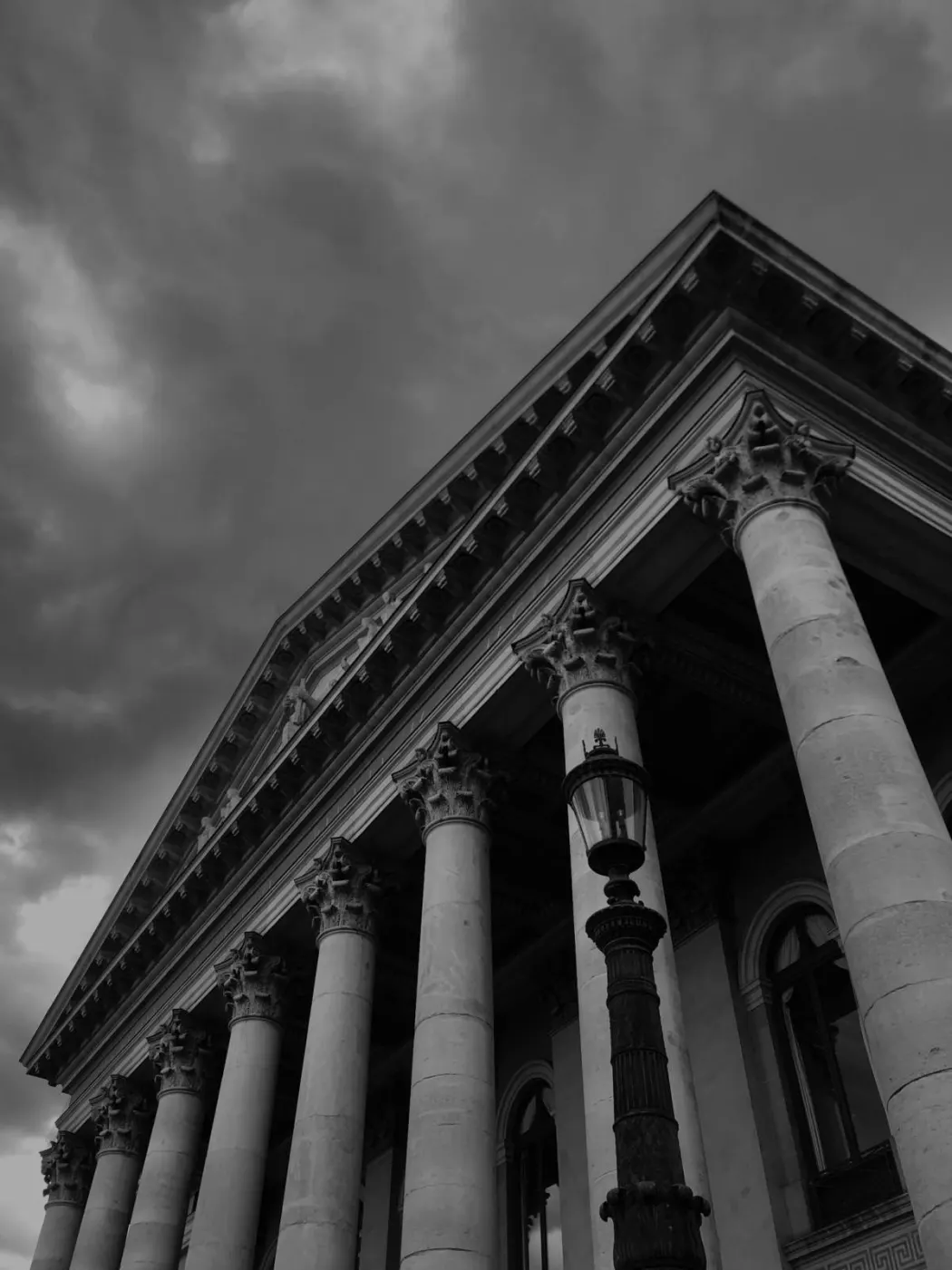
The marble columns of the state capitol were designed to project openness and strength. The architects who built it imagined a temple of democracy, where citizens could walk in, watch their representatives debate and see their government at work.
The reality inside is often quite different. Major bills are written in closed meetings. Amendments appear without warning in the final hours of a session. Votes are taken late at night, when few reporters and fewer citizens are watching. By the time the public learns what happened, it is already law.
The Problem With Late Nights
Last spring, the legislature passed a 400-page budget bill less than three hours after it was made public. Lawmakers themselves admitted they had not read it all. Several provisions, including changes to how state contracts are awarded, surprised even members who had voted for the bill.
Advertisement
“When legislation moves faster than anyone can read it, accountability suffers,” says Dr. Rebecca Lang, a political scientist who studies state legislatures. “Short notice favors insiders and lobbyists who know what is coming. It leaves ordinary citizens in the dark.”
This is not a partisan problem. Leaders of both parties have used these tactics when they held power, and both have complained bitterly about them when they did not.
Simple Reforms That Would Help
The fixes are not complicated. First, the legislature should require that every bill be published online at least 72 hours before a final vote, except in true emergencies. Several states already follow such rules without disruption.
Second, committee meetings should be livestreamed and archived, with votes recorded and posted promptly. Citizens who cannot travel to the capitol deserve to see how decisions are made. Third, lawmakers should end the practice of attaching unrelated amendments to must-pass bills at the last minute. Each significant policy change deserves its own debate. Taken together, these steps would cost little and could be adopted at the start of the next session, before the usual end-of-term rush begins again.
None of these reforms would prevent lawmakers from doing their jobs. They would simply let the rest of us see the work. The capitol’s columns promise openness. It is time for the legislature to live up to its own architecture.
Advertisement