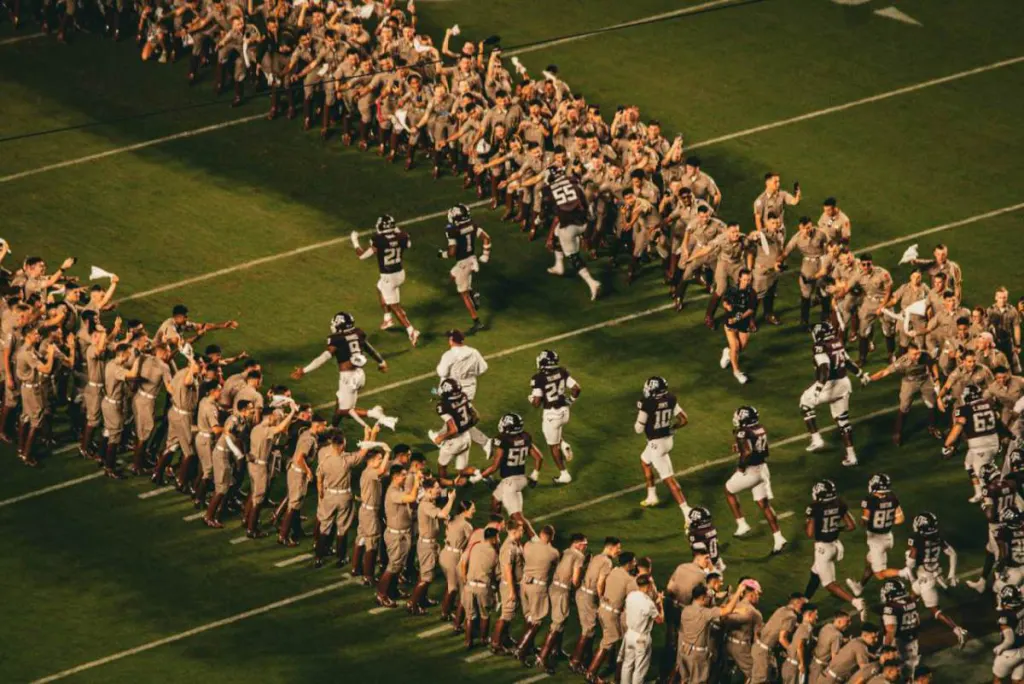

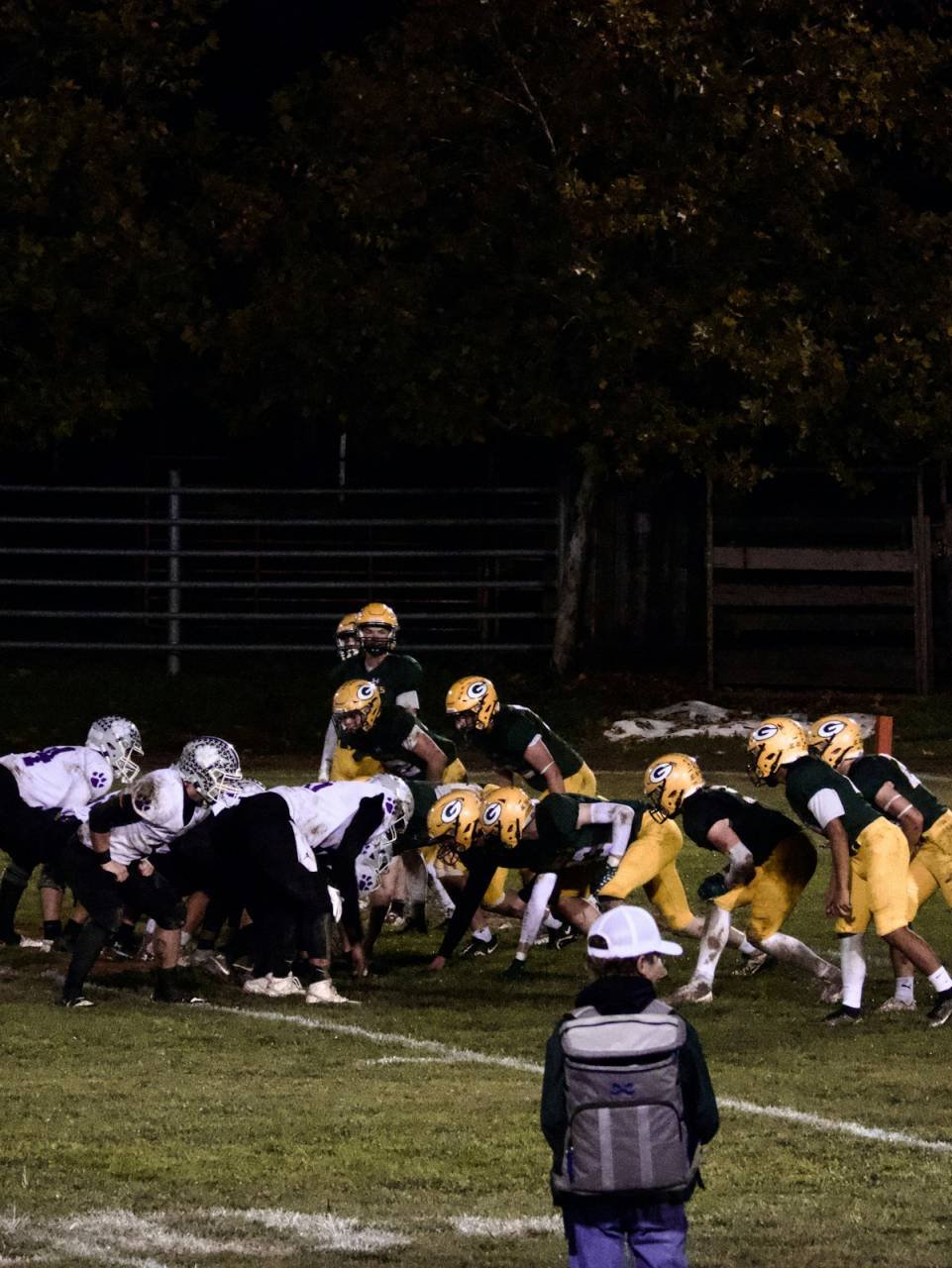
On a warm Thursday evening in suburban Ohio, the Lakewood Heights Falcons are running their final practice before a big game. There is plenty of energy and noise, but something is missing: helmets crashing together. The team has not held a full-contact practice since the second week of preseason.
Lakewood Heights is part of a national shift. According to the National Youth Sports Safety Council, more than two-thirds of high school programs now limit full-contact practices to one or fewer per week during the season. Many states have also required certified athletic trainers at every game.
Teaching A Different Kind Of Tackle
Coaches are embracing tackling techniques borrowed from rugby, which emphasize leading with the shoulder and wrapping the legs rather than hitting with the head. Players practice these skills using padded tackling rings and dummies instead of live drills against teammates.
Advertisement
“When I started coaching twenty years ago, toughness meant hitting every day,” says Lakewood Heights head coach Brenda Morales. “Now we understand that smart preparation makes players tougher on Friday night. My kids are fresher, they are healthier and they are winning.”
Parents Are Paying Attention
The changes respond partly to concerns from parents. Participation in high school football dipped for several years as families worried about concussions. Recently those numbers have stabilized, and some programs report growing rosters. Many schools now hold education nights where trainers explain safety protocols and concussion symptoms.
Technology is playing a role too. Some teams use sensors in helmets to measure impacts during games, helping trainers identify players who may need evaluation. Others film practices to review technique and correct risky habits before they become routine.
Nutrition and recovery are also getting more attention. Many programs now provide healthy pre-game meals, hydration plans for hot early-season practices and education about sleep. At Lakewood Heights, players track their hydration on a simple chart in the locker room, and trainers check in with each athlete before practice. Coaches say the small habits add up to fewer cramps, fewer injuries and sharper performances in the fourth quarter.
Experts say there is more work to do, especially at younger ages and in schools with limited budgets. “Safety cannot depend on your zip code,” says Dr. Monica Reyes, a sports medicine physician in Columbus. “Every athlete deserves a trainer on the sideline.” For Morales and her Falcons, the evolving game still feels like home. “The lights, the band, the crowd,” she says. “That magic has not changed one bit.”
Advertisement