

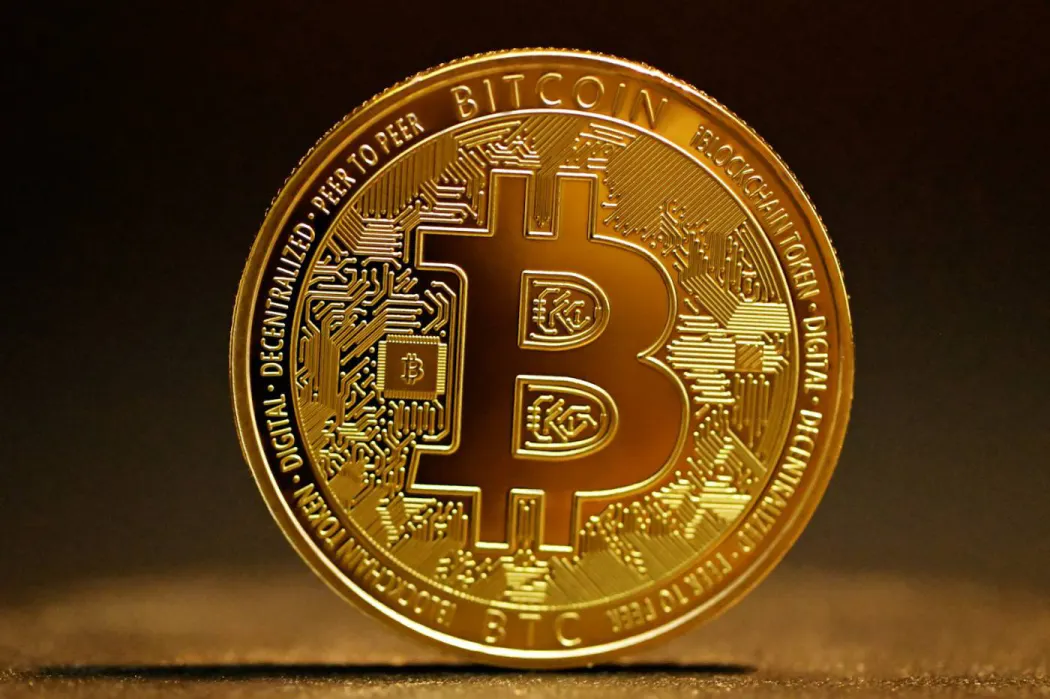
Not long ago, buying Bitcoin meant opening an account on a crypto exchange, managing passwords and learning about digital wallets. Today, many Americans can gain exposure to digital assets through the same brokerage account they use for stocks and retirement savings, thanks to crypto exchange-traded funds.
An exchange-traded fund, or ETF, is a pooled investment that trades on a stock exchange throughout the day. A spot Bitcoin ETF holds actual Bitcoin in secure custody, and each share represents a small slice of those holdings. When the price of Bitcoin moves, the value of the fund generally moves with it.
Why They Became Popular
ETFs offer convenience. Investors do not need to manage private keys or worry about losing access to a wallet. The funds are also subject to securities regulations, regular reporting and independent audits, which some investors find reassuring.
Advertisement
“For many people, the ETF wrapper removes the technical barrier,” says Dr. Elena Vasquez, a finance professor who studies digital assets at a university in California. “It does not remove the risk of the underlying asset, though. Bitcoin can still rise or fall by large amounts in a short time.”
What To Consider
Fees vary from fund to fund and are charged as an annual percentage of assets. Even small differences add up over many years. Investors should also look at trading volume, how closely the fund tracks the price of its underlying asset and which custodian holds the coins.
Another consideration is ownership. Holding an ETF means owning shares of a fund, not the cryptocurrency itself. You cannot transfer the coins to a personal wallet or use them for payments. For some investors that trade-off is welcome; for others, it defeats the purpose of crypto.
Taxes are another factor. Shares of a crypto ETF held in a regular brokerage account are generally taxed like other investments, with gains taxed when you sell. Some investors also hold these funds in retirement accounts, where different rules apply. Because tax situations vary, it is wise to consult a qualified tax professional before making significant decisions about any new type of investment.
Vasquez stresses that crypto ETFs remain speculative investments. “Think of them as a small, high-risk part of a diversified portfolio, if at all,” she says. “Understand what you own and why.” This article is for educational purposes and is not investment advice.
Advertisement