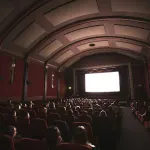


For much of the last decade, small independent cinemas seemed doomed. Streaming platforms offered endless choice at home, multiplexes added recliners and giant screens, and the neighborhood theater looked like a relic. But across the country, a surprising revival is underway.
In cities from Pittsburgh to Sacramento, independent cinemas are reopening or expanding. Many are run by former film students, local nonprofits or groups of neighbors who simply missed having a place to watch movies together.
A Different Kind Of Night Out
“People do not come here just to see a film. They come for the experience,” says Marisa Doyle, who reopened the 1938 Rialto Theater in Grand Rapids, Michigan, last year. Her single-screen venue shows a mix of classics, foreign films and new independent releases, with introductions from local critics and Q&A sessions with filmmakers.
Advertisement
Other theaters are adding wine bars, vintage projector screenings and themed nights. In Austin, a converted warehouse cinema hosts silent films with live piano accompaniment, while a Baltimore venue runs monthly double features curated by its members.
Owners also emphasize that the experience starts before the film. Many theaters have restored vintage marquees, lobbies and concession stands, offering locally made snacks alongside traditional popcorn. Some host pre-show trivia, live music or short films from local filmmakers. Ticket prices are often lower than at large chains, typically between $9 and $13, and several theaters offer pay-what-you-can nights to keep films accessible. “We want everyone to feel welcome,” Doyle says. “A cinema should be a public living room.” Her theater now hosts school groups, film clubs and even weddings, turning the historic building into a true community gathering place once again.
The Membership Model
Many of these theaters rely on memberships, typically $10 to $25 per month, which offer discounted tickets and early access to special events. “Our members are our safety net,” Doyle explains. “They know that if they do not support us, the cinema disappears.”
Industry analysts see the trend as part of a broader desire for shared cultural experiences. “Streaming is convenient, but it is lonely,” says film historian Gregory Hale of the University of Southern California. “Watching a movie with strangers, laughing at the same moment, is something people value more than ever.” For now, the lights are coming back on in theaters across America.
Advertisement