

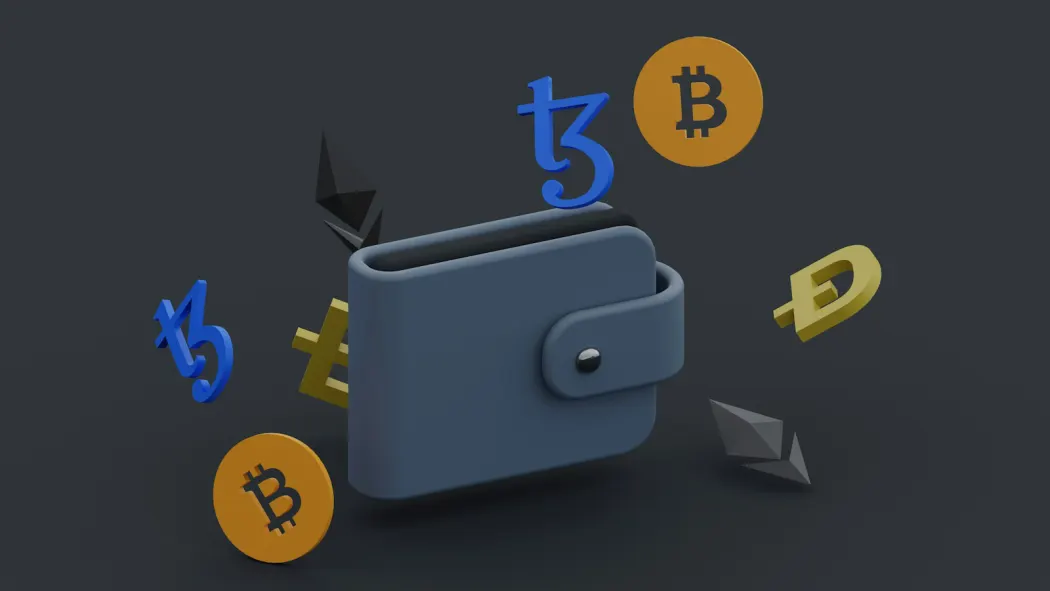
One of the first decisions every crypto owner faces is where to keep their assets. Should they stay on the exchange where they were purchased, or move to a personal wallet that only the owner controls? The answer depends on how much you hold, how often you trade and how comfortable you are managing security yourself.
When you keep crypto on an exchange, the platform holds the private keys on your behalf. This is called custodial storage. It is convenient: you can log in with a password, reset forgotten credentials and trade quickly. But you are trusting the company to keep your assets safe and available.
The Case For Self-Custody
Self-custody means you hold the private keys, typically through a software wallet on your phone or a hardware wallet. No company can freeze your funds or lose them in a bankruptcy. Several exchange collapses in recent years left customers waiting months, or longer, to recover their money.
Advertisement
“Self-custody is the purest expression of what crypto was designed to be,” says Dr. Monica Reyes, a digital asset researcher at the Pacific Technology Institute. “But with that control comes complete responsibility. If you lose your keys, nobody can help you get them back.”
Finding The Right Balance
Many experienced users take a hybrid approach. They keep a small amount on a reputable exchange for trading and store long-term holdings in a hardware wallet. Some use multi-signature wallets, which require approval from more than one device or person to move funds, adding a layer of protection.
If you choose an exchange, look for platforms licensed in your state that publish proof of reserves, separate customer assets from company funds and offer strong account security. If you choose self-custody, practice with small amounts first and create a secure backup plan for your recovery phrase.
Inheritance and recovery options are improving. Some wallets now offer social recovery features, which let trusted friends or family members help restore access if a device is lost. Others allow users to split a recovery phrase into several parts stored in different places. These tools reduce the risk of a single point of failure, though they require careful setup and a clear understanding of how they work.
Reyes also recommends documenting your holdings for loved ones. “Estate planning is often overlooked in crypto,” she says. “Make sure someone you trust knows how to access your assets if something happens to you, without exposing your keys today.”
Advertisement